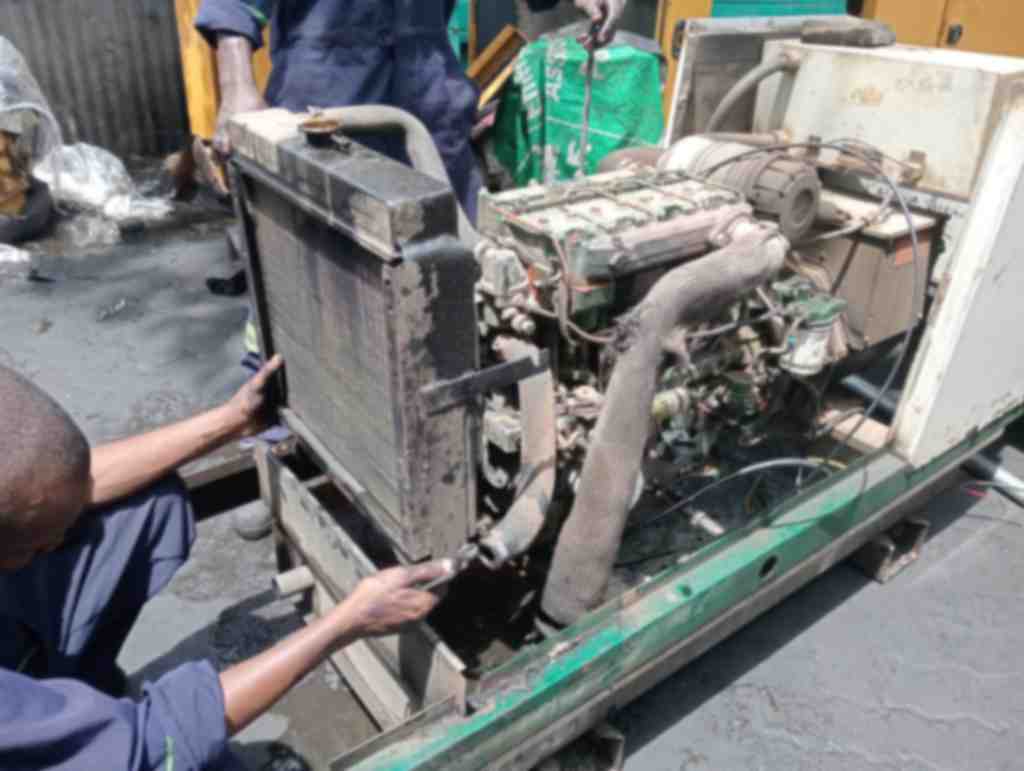
Technical Introduction
The Cooling System is the thermal management heart of a diesel generator. A diesel engine is an internal combustion machine that converts only about 30-35% of fuel energy into mechanical work; the remaining 65-70% is rejected as heat. Without an efficient cooling system, this heat would rapidly expand metal components beyond their tolerances, leading to seized pistons, cracked cylinder heads, and total engine destruction.
In high-demand environments like industrial plants, hospitals, and data centers, the cooling system must maintain the engine at a precise "sweet spot" (typically 85°C to 95°C). This temperature ensures optimal fuel combustion, minimal emissions, and maximum component life. A failure in the cooling system is one of the most common causes of emergency generator shutdowns under load.
At PowerProKe Ltd, we treat the cooling system as a holistic circuit. It involves the chemical integrity of the coolant, the mechanical health of the water pump and belts, and the aerodynamic efficiency of the radiator and fan.
System Engineering
Most industrial generators use a Liquid-to-Air closed-loop cooling system. The process is a continuous cycle of heat absorption and rejection.
The Cooling Cycle:
- Absorption: The Water Pump (centrifugal pump) circulates coolant through the engine block and cylinder head. As the coolant passes through these "water jackets," it absorbs the intense heat of combustion.
- Regulation: The Thermostat acts as a thermal gatekeeper. When the engine is cold, it stays closed to help the engine reach operating temperature quickly. Once the target temperature is reached, it opens to allow coolant to flow to the radiator.
- Rejection: The hot coolant enters the Radiator. An engine-driven or electric Fan pulls large volumes of ambient air across the radiator fins, transferring the heat from the liquid to the atmosphere.
- Return: The now-cooled liquid returns to the water pump to begin the cycle again.
In many large generators, this system also includes an Aftercooler (or Intercooler) to cool the intake air from the turbocharger, further increasing engine efficiency and power density.
Technical Failure Modes
Cooling system failures are often progressive, starting as small leaks or minor clogs that escalate into major overheating events.
1. External & Internal Leaks
External leaks occur at hose connections, radiator seams, or the water pump seal. Internal leaks (e.g., a blown head gasket or cracked liner) are more dangerous, as they allow coolant to enter the combustion chamber or mix with the engine oil.
2. Radiator Core Clogging (Scaling)
Using tap water instead of deionized water leads to mineral deposits (scale) inside the radiator tubes. Externally, dust, oil, and insects can clog the cooling fins. Both reduce the radiator's ability to transfer heat, leading to "High Temp" trips under load.
3. Thermostat Failure
A thermostat can fail in the "Closed" position, preventing coolant from reaching the radiator and causing the engine to overheat in minutes. If it fails "Open," the engine will run too cold, leading to "wet stacking" and increased wear.
4. Cavitation & Corrosion
If the coolant's chemical additives (SCA/DCA) are depleted, tiny vacuum bubbles form on the cylinder liners. When these bubbles collapse, they "pock-mark" the metal, eventually boring holes through the liner and allowing coolant into the oil.
In Kenya, Belt Slippage is a frequent issue. High ambient temperatures and dust can cause drive belts to glaze and slip, reducing the speed of the water pump and fan, which directly impacts cooling capacity.
Diagnostic Symptoms
- High Coolant Temperature Alarm:
The control panel triggers a warning (typically at 95°C) or a shutdown (typically at 103°C-105°C).
- Visible Coolant Leaks:
Puddles of green, red, or blue liquid under the generator, or white "crusty" deposits around hose clamps and the radiator.
- Sweet Smell (Ethylene Glycol):
A distinct sweet odor when the generator is running indicates a small leak spraying onto hot engine components.
- Low Coolant Level Alarm:
The magnetic float switch in the radiator or expansion tank detects a loss of fluid, often before the engine actually overheats.
- Steam or Hissing:
Indicates a pressurized leak or that the coolant is boiling due to a failed radiator cap or severe overheating.
Engineering Diagnostics
Diagnosing a cooling system requires looking beyond the temperature gauge to find the root cause of the thermal imbalance.
Professional Diagnostic Procedures:
Pressure Testing
We use a hand pump to pressurize the system to 15-20 PSI while the engine is off. This forces hidden leaks to reveal themselves and verifies the integrity of the radiator cap's relief valve.
Thermal Imaging (Radiator Mapping)
Using infrared cameras, we map the heat distribution across the radiator core. "Cold spots" indicate blocked internal tubes where coolant is not flowing, confirming the need for a radiator flush or replacement.
Coolant Chemical Analysis
We use test strips to measure the concentration of Supplemental Coolant Additives (SCA) and the freeze/boil point. This determines if the coolant is still protecting the engine from cavitation and corrosion.
Combustion Leak (Block) Test
We test the air in the expansion tank for the presence of exhaust gases. A positive result confirms a failed head gasket or a cracked cylinder head.
Restoration Protocols
Cooling system maintenance is a combination of mechanical inspection and chemical management.
Maintenance Protocols:
- Coolant Replacement: Standard coolant should be replaced every 2 years; Extended Life Coolant (ELC) every 5-6 years. We always use a 50/50 mix of concentrate and deionized water.
- Radiator Cleaning: Every 6 months, the radiator fins should be cleaned using low-pressure air or water (spraying from the inside out) to remove debris.
- Belt Tensioning: We check and adjust drive belt tension every 250 hours. Glazed or cracked belts are replaced immediately to prevent sudden failure.
- Hose Replacement: Rubber hoses degrade from the inside out. We recommend proactive replacement of all cooling hoses every 4-5 years.
At PowerProKe Ltd, we provide full cooling system refurbishment, including radiator recoring, water pump overhauls, and chemical descaling.
Brand Matrix Compatibility
We utilize high-performance cooling components and fluids from the industry's most trusted manufacturers:
For example, Perkins and FG Wilson generators are optimized for Perkins Extended Life Coolant, which provides superior protection against liner cavitation. Using the wrong coolant type can lead to rapid chemical degradation and system failure.
Lifecycle Preservation
Prevention in the cooling system is about consistency and using the right materials.
Never Use Plain Tap Water
Tap water contains minerals that create scale and chlorine that causes corrosion. Always use a pre-mixed coolant or mix concentrate with deionized/distilled water.
Maintain Jacket Water Heaters
Keep your block heaters functional. They keep the coolant warm, preventing thermal shock during a cold start and ensuring the engine reaches operating temperature faster.
Daily Visual Inspections
A 30-second check for leaks and coolant level before every run can prevent 90% of overheating failures.
Technical Escalation
Cooling system issues can destroy an engine in minutes. Contact PowerProKe Ltd immediately if:
- The generator shuts down on "High Water Temperature."
- You see steam or white smoke coming from the radiator or exhaust.
- The coolant level is dropping consistently without visible external leaks.
- The engine oil looks milky or like "chocolate milkshake" (coolant in oil).
Our service teams carry pressure testers, thermal cameras, and a full range of genuine coolants and hoses to resolve cooling issues on-site.
Technical FAQ
Can I just add water if the coolant level is low?
In an absolute emergency, yes, but it must be drained and replaced with the correct coolant mix as soon as possible. Adding water dilutes the protective additives, leading to rust, scale, and cavitation damage.
Why is my generator overheating even though the coolant is full?
This is often due to a blocked radiator (internally or externally), a failed thermostat that won't open, or a water pump with a failed impeller that isn't circulating the fluid.
What is the difference between green and red coolant?
The color usually indicates the chemical technology. Green is typically traditional IAT (Inorganic Additive Technology), while Red/Orange is usually OAT (Organic Acid Technology) or ELC (Extended Life Coolant). They should NEVER be mixed, as they can react and form a thick gel that clogs the engine.
What is a 'Jacket Water Heater' and do I need one?
It is an electric heater that keeps the engine block warm while the generator is in standby. In Kenya, it's highly recommended for critical generators to ensure immediate load-carrying capability and to reduce engine wear during startup.

Eng. Okumu
Lead Technical Reviewer & Auditor
Specialization
Alternator Rewinding & Precision Servicing
Experience
18+ Years Industrial Power Systems
All information in this guide has been field-verified by our engineering team to meet current Kenyan Energy Regulatory Authority (EPRA) standards and manufacturer-specific diagnostic protocols for Perkins, Cummins, and Caterpillar systems.